
Finnish Forest Fires (Finland)
Pilot Site: Kainuu area
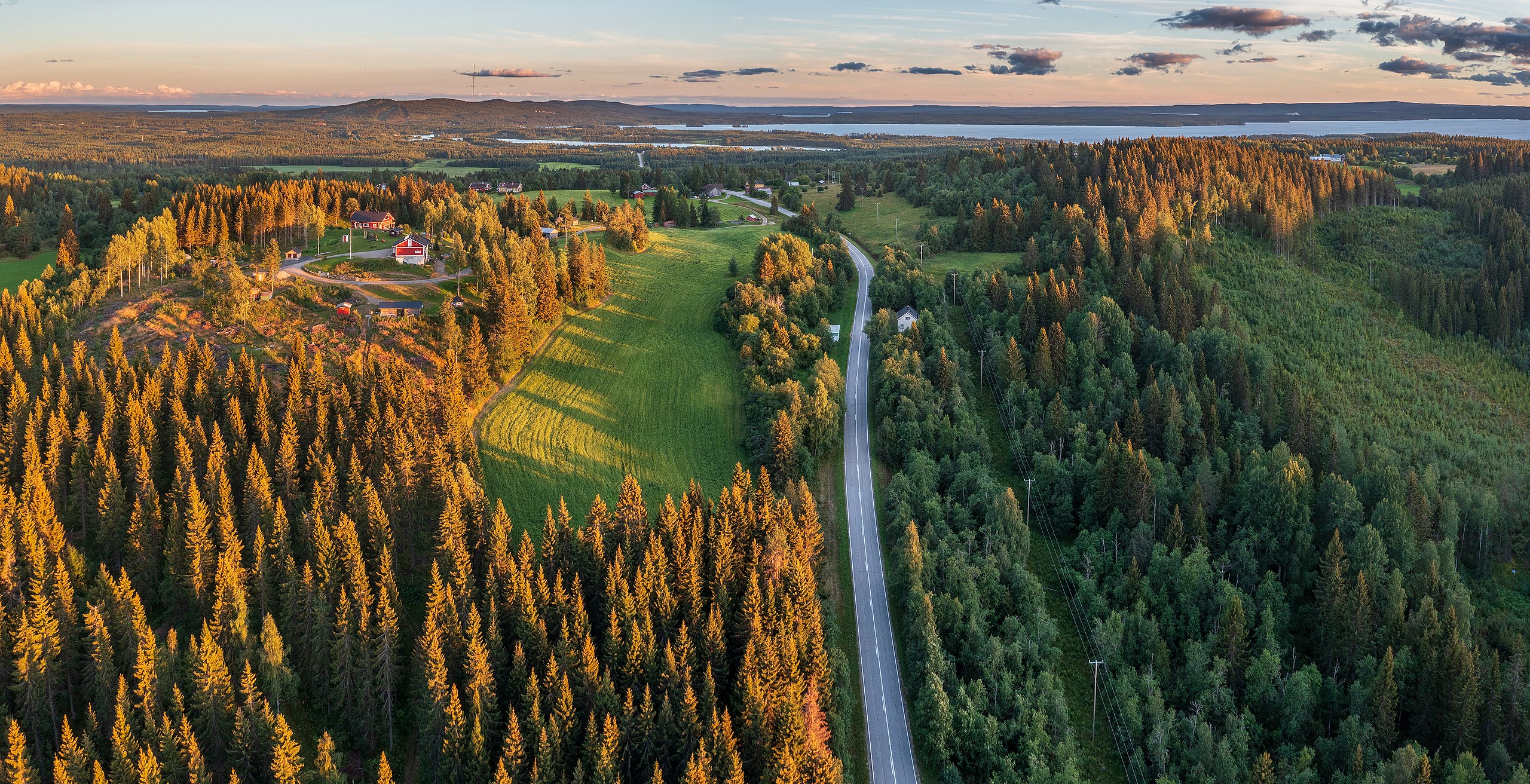
The past two years, forest fires in Kalajoki and Muhos near Kajaani, Finland, and the more common occurrence of extreme weather conditions in the Nordic countries, caused concern among Finnish emergency professionals. The regional emergency services in Kainuu cover an area of 22,687.38 km2 with a population of only 75,415 inhabitants. Currently, the information available is limited to weather updates and weekly meetings with the Finnish Meteorological Institute. With Kainuu being large, sparsely populated and up to 95% covered by forests, wildfire response times are a severe issue. The FRs lack contextual information, beyond a potential threat warning. Accurate information is crucial in planning, prioritizing and managing response actions. KAJ is the regional emergency service operator for Kainuu and has several operational rooms that can be used for evaluating the TEMA platform.
Long dry periods in the Kainuu region have increased the forest fire index to the highest level. The local authorities are concerned about a wildfire outbreak and engage in established risk mitigation procedures. The TEMA Finnish pilot will be based on the historical scenario of the 2021 Kalajoki forest fire, one of the worst wildfires in Finland of the last several decades. This will provide a study case on forest fire management operations through the aggregation of rich environmental data sources, both existing (currently available to KAJ) and additional cones collected during the project. In addition, the datasets will be enriched with earlier reports on prevention strategies, mapping of environment and infrastructure, as well as strategies and guidelines of the Finnish authorities for the boreal vegetation environment. By using the TEMA solution, it will be possible to examine and improve procedures for managing disasters and for decision making support.
First pilot in Finland
The first Finnish pilot trial took place on 20-23 May 2025 and focused on strengthening preparedness and response capabilities for forest-fire emergencies in northern European environments. The exercise explored how advanced monitoring, data fusion and simulation technologies can support emergency services operating in remote and environmentally sensitive regions. Particular attention was given to improving coordination between operational actors, increasing situational awareness and supporting decision-making through integrated visualisation and predictive tools.
The trial highlighted the importance of scalable and interoperable digital solutions for wildfire management, especially in areas where environmental conditions and long operational distances can complicate emergency response. Results from the exercise contributed to the further refinement of the TEMA platform, while helping identify future priorities related to automation, real-time information sharing and operational usability. The lessons learned from the Finnish pilot will feed into future testing activities and support the platform’s progression towards broader operational adoption.
The next pilot iteration will take place in spring 2026.
Kajaanin Kaupunki